

Should we still design code for humans? | Exec Engineering #204
Also: what building software really looks like inside Anthropic, why "Forward-Deployed Engineer" became the frothiest title in tech, and the meeting-room operators who are never to blame.


Hey👋
Thanks for reading Exec Engineering, a weekly digest for the busy tech executive.
I hope this edition brings you value.
The Digest
Should we still design code for humans? (Valentina Servile / Thoughtworks)
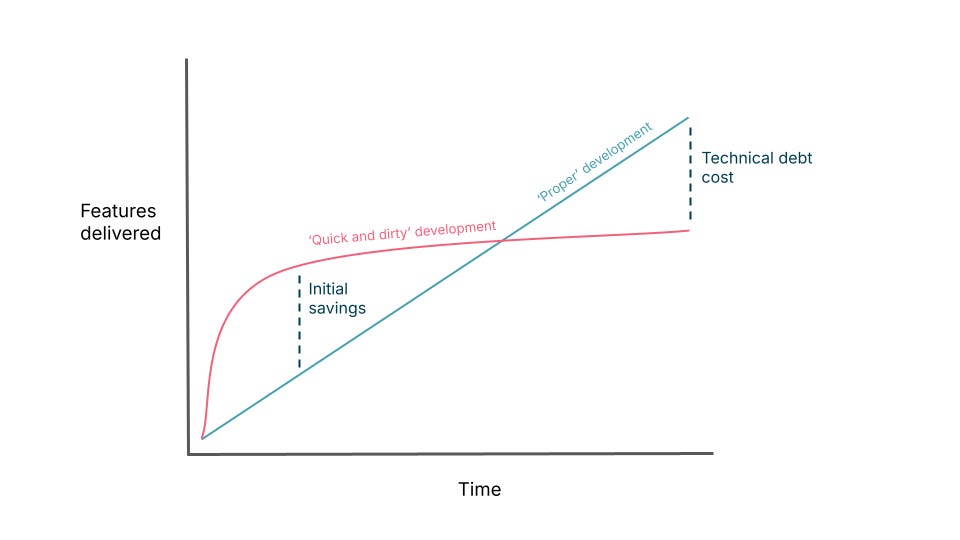
Good design still matters even when agents write every line of code. Agents learned from human-written code, so they trip over the same messy systems we do. The bad-design tax just moved from your team’s hours to your token bill, it didn’t disappear. Which means, maybe for the first time, you can put a real dollar figure on tech debt. Valentina Servile’s case for why someone still has to stay close to the code, even when agents do the typing, is one of the sharpest I have seen on this.
The Best Prioritization Is No Prioritization (Stay SaaSy)
I am vocal about strict prioritization, so this one got under my skin. Stay SaaSy makes the contrarian case that the best prioritization is almost none at all, and it is hard to brush off. Scoring frameworks like RICE are more vibes than science, and you can rarely prove your call was the right one anyway. So instead of grading every option, you design the work so most of those hard calls disappear. I am not sold, but it has me rethinking how much of my own prioritizing is really just theater. If you live in planning meetings, this one is worth sitting with.
How building software is changing at Anthropic (Gergely Orosz / The Pragmatic Engineer)
The most AI-pilled engineers on earth still work in two-pizza teams and still write real plans for their hard projects. That is the surprising part of Gergely Orosz’s reported look inside Anthropic. Going all-in on AI kept the fundamentals intact, but it quietly moved where the hard part of the job now sits. The same quiet shift is probably already underway on your own team, and most leaders will not notice until it has already slowed them down.
The rise of the forward-deployed engineer (FDE) (Kari McMahon / LeadDev)
The “Forward-Deployed Engineer” is suddenly the hottest title in tech. Postings are up more than 729% in a year, even while the rest of the software market keeps cutting jobs. But the label is spreading faster than the real thing, and plenty of firms now pin it on anyone who is customer-facing and a bit technical. What actually sets the real role apart is narrow and specific, and most firms racing to add the title have no idea which version they are building.
Two Bars, Spreading Apart (Subbu Allamaraju)
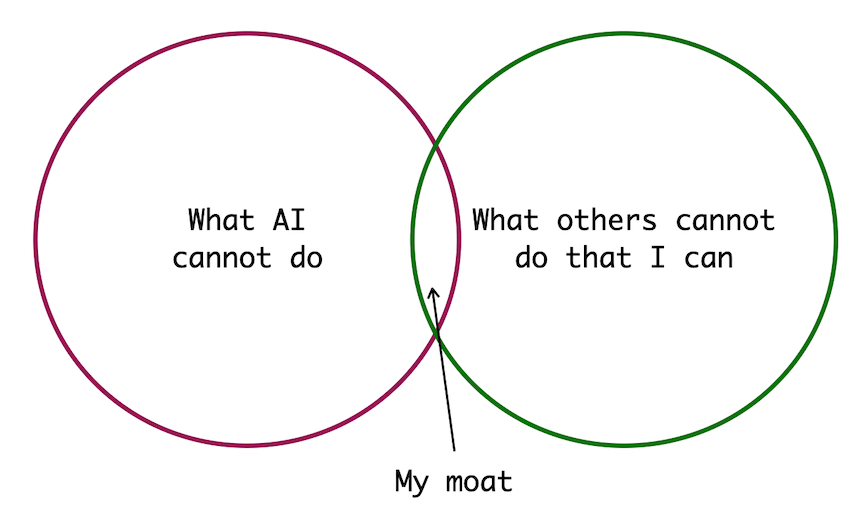
Subbu Allamaraju, a veteran engineer and former VP of Engineering at BILL who has put the engineer hat back on, spent the past few months building with an AI harness and came back with an uncomfortable read on careers. As the cost of building drops toward zero, the bar to get in drops with it and the bottom crowds up, while the bar for excellent work climbs out of reach. The comfortable middle, where most careers have quietly sat, is what thins out. He is blunt about what still separates the people who stay at the top, and he does not soften it.
(By the way, I interviewed Subbu for my Dialog series a while back, on leading through the shift to AI. The full conversation still holds up.)
TBM 433: The Border Collie Faustian Bargain (John Cutler / The Beautiful Mess)
You can usually spot when leadership’s strategy is not really a strategy, long before anyone else in the room. John Cutler’s uncomfortable point is that this same clarity is what slowly pulls you in. To keep your influence, you stop pushing back on the confusing strategy and start selling it to your own team, until you are defending it to them better than the leaders who wrote it. He maps the quiet, reasonable steps that get you there. Read it before you take the first one, because you rarely feel yourself taking it.
Designing For Healthy Conflict in An Engineering Team (James Samuel / Effective Software Leads)
Every time you step in to settle a fight between two engineers, you quietly teach the team that the hard calls belong to you. So the better you referee, the more they wait for you to do it. James Samuel’s fix is to make yourself less necessary. He lays out a three-level system for getting there, and the idea that stuck with me is catching the small tensions early, while they are still easy to defuse and long before they turn into the kind of fight you have to break up.
The Dark Arts of the Meeting Room (Jeff / JoT)
Some people are never to blame when things go wrong and somehow always central when things go right. Jeff’s field guide names their tricks, like committing to “improving quality” without ever saying what quality means, or announcing that incidents are up 50% while leaving out that they went from two to three. Once you can name the tricks, you cannot unsee them. The essay closes with the plain questions that quietly disarm every one.
More reads
Paperclip Capitalism (Allen Cheung / in|retrospect)
Does creatine make you smarter? (Dynomight)
The Archaeologist’s Copilot: Restoration of a 20-Year-Old Java Big Ball of Mud Using AI and Docker (Nik Malykhin / martinfowler.com)
The Motivation (Rands / Rands in Repose)
About Exec Engineering
I’m Yassine 👋 I spend a big chunk of my time digging into engineering leadership, talent, and craft, plus how AI impacts all three. I share the most valuable resources I come across in this newsletter every Thursday, all curated by hand.